The Other Vent That Starts House Fires
Dryer vent cleaning lives on a chimney site for a simple reason: it's the same skill — clearing a combustion-adjacent duct of flammable buildup — and the same crew handles both in one visit. Lint is astonishingly good fuel. When it packs the vent line, the dryer runs hot, airflow drops, and the failure mode is a fire inside a duct that runs through your walls. U.S. fire departments respond to thousands of dryer fires every year, and failure to clean the vent is the leading factor cited.
The signs your vent line is packing up
- Towels take two cycles. The classic. Airflow is the whole game — when drying times stretch, the exhaust path is restricting.
- The dryer and the laundry room run hot. Heat that should be leaving the house is staying in the machine.
- Burning smell during a cycle. Stop the dryer and get the line cleaned before running it again.
- The outside flap barely moves. Weak exhaust at the exterior hood means the line is choked somewhere between the drum and the wall.
- No memory of the last cleaning. Annual is the standard; long duct runs and big households justify more.
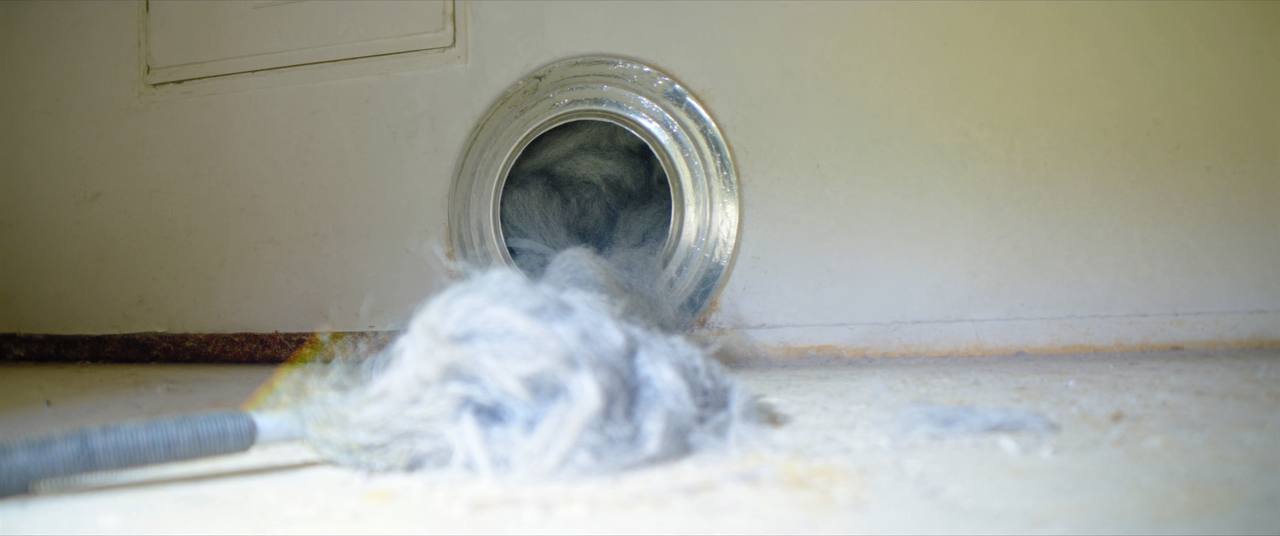
What the service includes
The full line, drum connection to exterior hood: rotary brushing, lint extraction, a check of the duct material (vinyl and foil accordion duct behind older dryers is itself a hazard and gets flagged), the exterior hood and flap, and an airflow verification after. Bundled with a chimney sweep visit, it's the cheapest fifteen-minute fire-safety add-on in the house; standalone, it's still a quick call that pays for itself in drying time.