The Three NFPA 211 Inspection Levels, Explained
Chimney inspections aren't a judgment call — they're standardized. NFPA 211, the national standard for chimneys and venting, defines three levels, and knowing which one you need saves money in both directions.
- Level 1 — the annual. A visual examination of every accessible part of the system: firebox, damper, visible flue, crown, cap. It comes with every sweep and it's the right level when nothing has changed and nothing seems wrong.
- Level 2 — the camera scan. Everything in Level 1 plus a video scan of the flue interior and inspection of accessible attics, basements, and crawl spaces the chimney passes through. NFPA 211 calls for a Level 2 at every property sale or transfer, after any operating malfunction or exterior event (a chimney fire, severe weather), and whenever the fuel type or appliance changes.
- Level 3 — the investigation. When a Level 2 finds evidence of a serious hazard, a Level 3 opens up concealed areas — removing components or finish materials to get at the problem. Rare, and only ordered with cause.
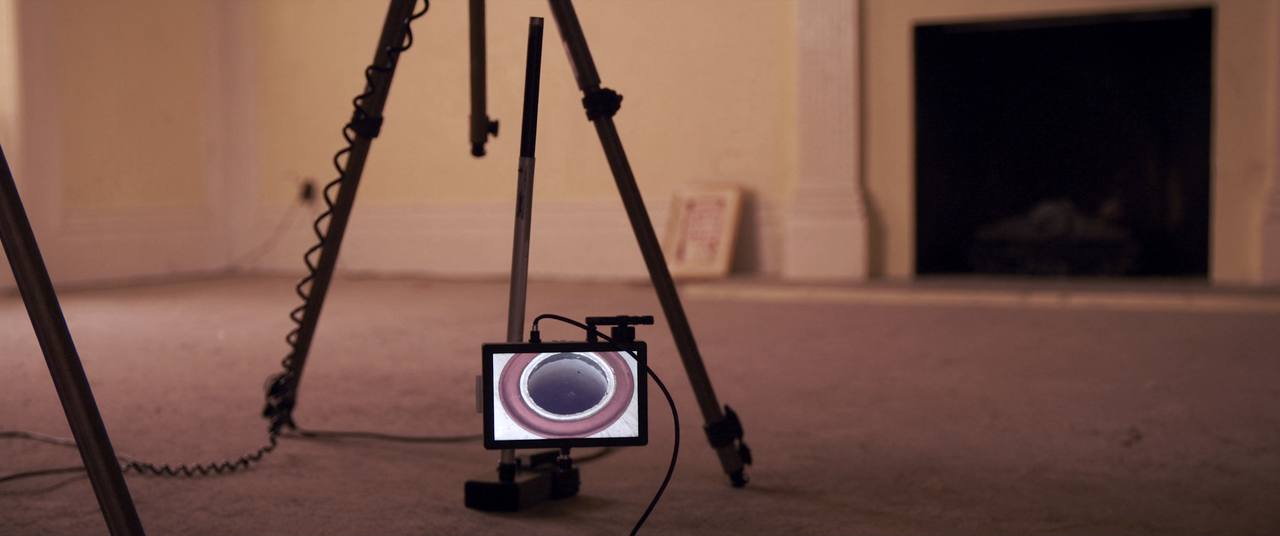
Buying a home in Genesee County? Get the Level 2 inspection.
This county's housing stock is the reason. Flint's homes are 94% pre-1980; Davison's are 72% built in the 1950s–70s alone; Burton, Flushing, and Grand Blanc all sit near or above two-thirds pre-1980. A general home inspection looks at a chimney from the outside with a flashlight. A cracked flue tile forty feet up an original 1958 chimney is invisible to that — and it's exactly the kind of finding that's cheap to know about before closing and expensive to discover the first cold night after you move in. The camera scan settles it either way, and a clean report is worth having in the file.
The furnace-flue blind spot
Thousands of mid-century Genesee County homes vent the furnace or water heater through the original masonry chimney, and that flue almost never makes it into a routine home inspection. Every furnace upgrade since construction has changed what the flue carries — modern high-efficiency units exhaust cooler, moister gases that old oversized clay flues handle poorly, leaving condensation damage and flaking tile. If your basement's chimney connection has never been looked at since a furnace swap, that's a Level 2 conversation.