The Cheapest Chimney Protection You Can Buy
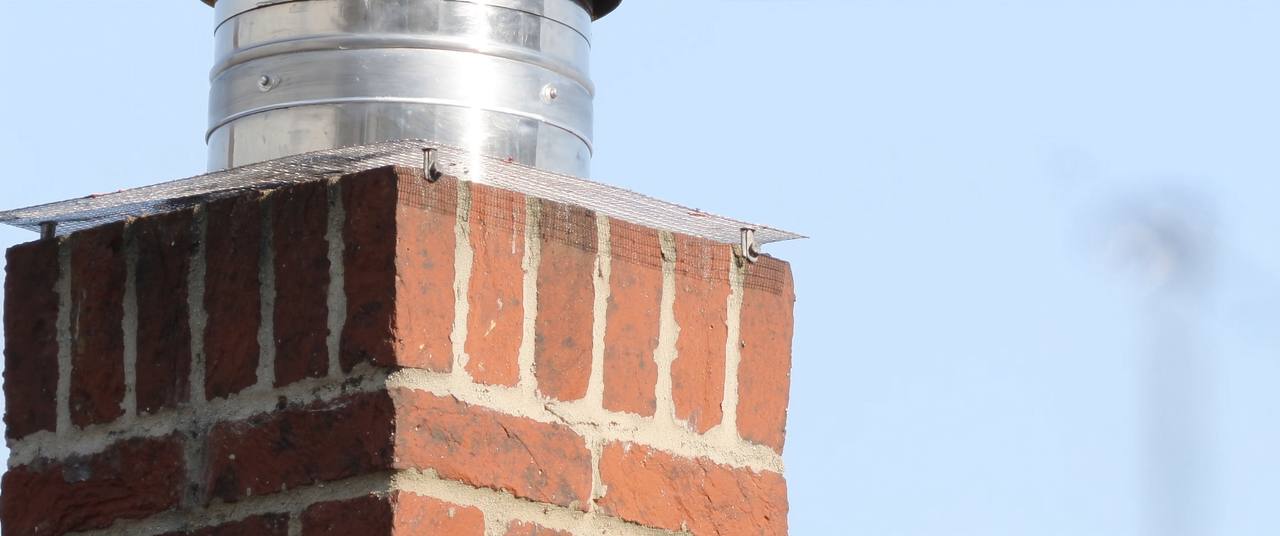
An uncapped flue is an open pipe to the sky. Rain falls straight down it — hundreds of gallons a year into the smoke shelf and firebox, feeding rust, odor, and freeze-thaw damage from the inside. Animals treat it as a den. Sparks leave it unscreened. A properly fitted stainless cap fixes all three for less than almost any other line item in chimney work, which is why "get a cap" is the most common honest recommendation an inspection produces.
- Single-flue and multi-flue caps. Stainless, sized and anchored to the crown or tile — not the friction-fit hardware-store units that end up in the yard after a Michigan windstorm.
- Chase covers. For prefab/factory chimneys in chases: a rusted-through chase cover is a leak with a countdown. Stainless replacement outlasts the galvanized original.
- Spark arrestors and screens. Standard on a good cap — embers stay in, animals stay out.
- Top-sealing dampers. A damper at the crown seals the flue tight in the off-season — the fix for summer chimney odor and winter heat loss through a leaky throat damper.
Raccoons, squirrels, and the birds you can't evict
An open Genesee County flue in spring is prime real estate. Raccoons den on smoke shelves; squirrels fall in and can't climb the tile; starlings pack nests into flues. Removal is done humanely, the mess and nest material come out (a blocked flue is a carbon monoxide problem, not just a smell), and the cap goes on so it doesn't happen twice.
One honest exception: chimney swifts. These small birds nest inside chimneys in summer and are protected under the federal Migratory Bird Treaty Act — active nests can't legally be removed, by us or anyone. If swifts are in residence, the visit gets scheduled around their departure (typically by early fall), the flue gets cleaned and inspected then, and the cap prevents the return trip. Anyone who offers to pull an active swift nest is offering to break federal law — worth knowing when you compare quotes.