Cleaning, inspection, and repair for the county's 50-year-old chimneys — done by licensed local pros before the burning season starts.
Call (810) 250-7909Tell us what's going on — a season of smoke, a leak, an inspection your realtor wants — and get a free estimate from a licensed local chimney pro. Call (810) 250-7909.
One call covers the whole system — the firebox, the flue, the crown, and the dryer vent on the way out. Every chimney sweep visit is matched to a licensed and insured local pro who works Genesee County homes every week.
Rotary sweeping with HEPA dust control — creosote out, mess contained, fireplace ready for the season.
Chimney Cleaning →NFPA 211 Level 1, 2, and 3 inspections, including camera scans of the flue interior before you buy or burn.
Inspections →Crowns, tuckpointing, flashing, and spalled brick — the freeze-thaw damage Michigan winters leave behind.
Repairs →Stainless relining for cracked clay tiles and the oversized furnace flues common in mid-century homes.
Liner Installation →Chimney caps, chase covers, and humane handling of raccoons and nesting birds.
Caps & Animals →Lint-packed dryer vents start fires too. Most homeowners bundle it with their chimney sweep visit.
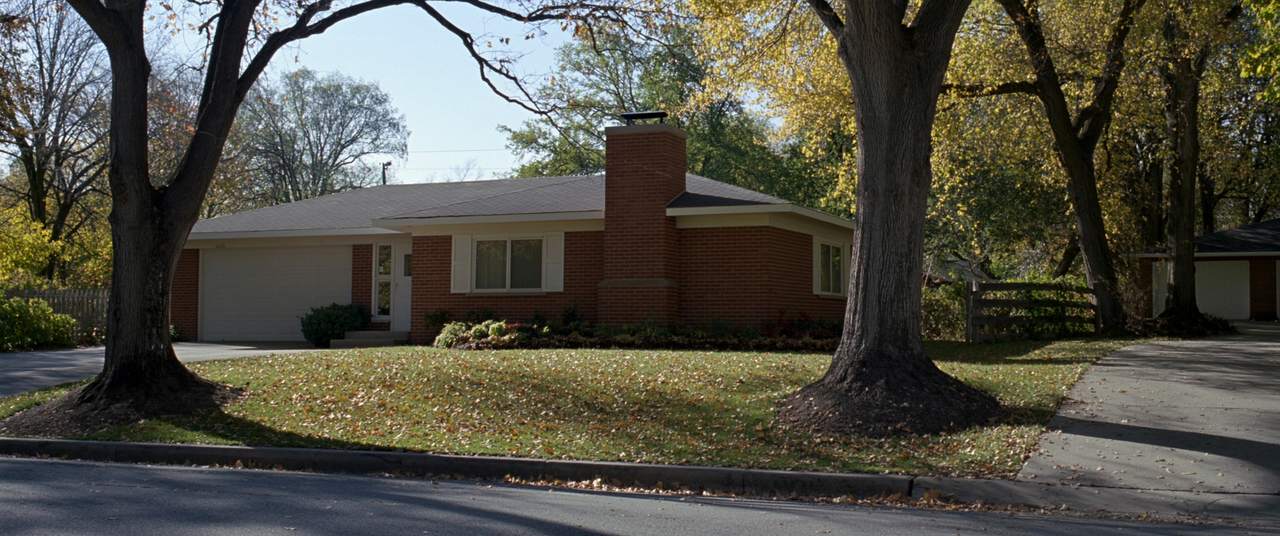
Dryer Vents →94% of Flint's housing was built before 1980 — the highest share of any market we serve — and more than half of the city's homes went up between 1950 and 1979, the GM-boom decades that filled Flint and its suburbs with brick ranches and bungalows. Those homes were built with real masonry chimneys: clay-tile flues, brick stacks, poured crowns. Fifty to seventy Michigan winters later, that masonry has earned an honest look from a chimney sweep.
The pattern holds across the county. In Burton, roughly 7 in 10 homes predate 1980. Davison's housing is even more concentrated — about 72% of it was built in the 1950s–70s window. Flushing sits at 83% pre-1980. These aren't guesses; they're Census Bureau housing figures, and they describe a county full of chimneys at exactly the age where crowns crack, mortar joints open, and flue tiles start to fail.
The National Fire Protection Association's Standard 211 says every chimney should be inspected annually and swept when creosote buildup reaches 1/8 inch. Creosote is the tar-like residue wood smoke leaves inside the flue, and it is the leading fuel of chimney fires — it ignites at high temperature and burns inside a structure that was never meant to contain open flame. A proper chimney sweep removes it mechanically, checks the visible system while the tools are out, and tells you plainly whether anything else needs attention.
The companies serving Flint chimneys mostly drive in from somewhere else — Oakland County, the Ann Arbor area, or "all of Michigan." We connect you with providers who work Genesee County every week: Flint's north-side bungalows, Burton's postwar subdivisions, Grand Blanc's 1960s colonials, the lake homes around Fenton. When you call, you talk to someone about your chimney, your neighborhood, and a real appointment time — not a national call center reading a script.
Booking a chimney sweep in late summer or early fall beats waiting: once the first cold snap hits, every sweep in the county books out weeks. The smart window for a cleaning and inspection is before the burning season starts — and if the inspection finds repair work, you still have warm-weather weeks to get the masonry done right.
Fall books out fast across Genesee County. Call now and get on the schedule before the first cold snap.
(810) 250-7909The NFPA 211 standard is an inspection every year, with sweeping whenever creosote reaches 1/8 inch. For most households that burn wood regularly, that works out to a sweep about once a year. Light burners may go longer — but the inspection is annual regardless, because chimneys deteriorate whether or not you burn.
Nationally, a standard sweep with a Level 1 inspection averages around $254, with most jobs falling between roughly $129 and $380 depending on the system's condition and access. You'll get a real number for your home before anyone starts work — free.
Yes. Gas burns cleaner than wood, but the venting still clogs, corrodes, and gets blocked by nests and debris — and a blocked gas vent can push combustion gases back into the house. Gas systems need the same annual inspection.
Late summer or early fall. Once the first cold week arrives, every chimney sweep in Genesee County books out. Scheduling before the season also leaves time for any repair work while the weather still cooperates.
Creosote is the flammable residue wood smoke deposits inside your flue. It builds in three stages, from flaky soot to a hardened glaze, and it's the leading fuel of chimney fires. Removing it is the core job of a chimney sweep.
Humidity plus creosote. Warm, damp Michigan summer air draws odor out of the flue's deposits and pushes it into the house. A sweep removes the source; a cap and a top-sealing damper keep rain from making it worse.