When a Chimney Needs a New Liner
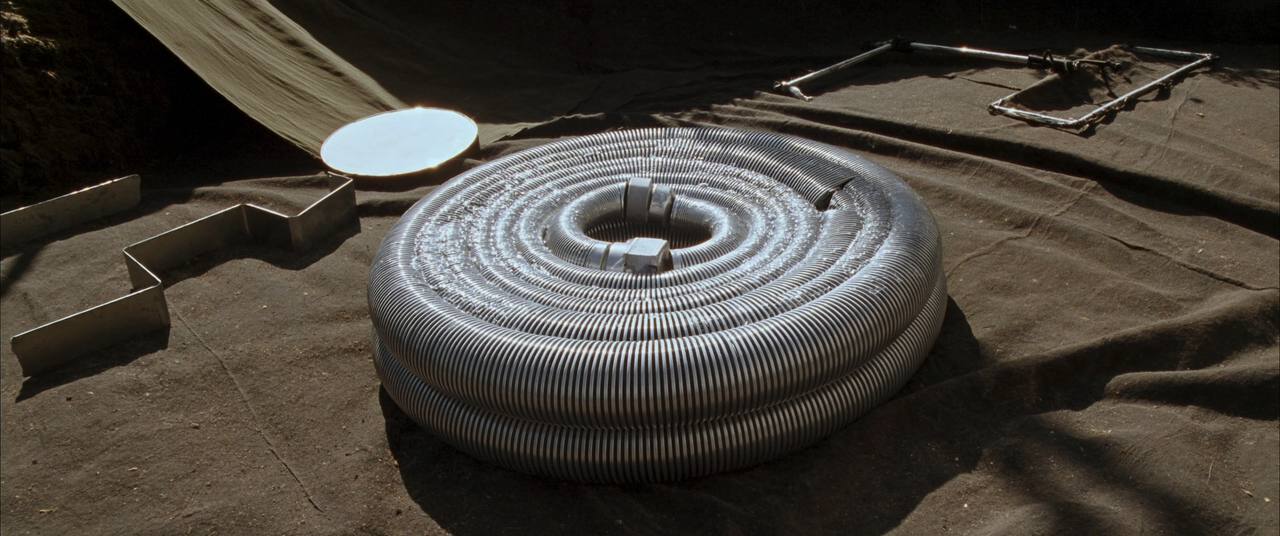
The liner is the chimney's inner skin — the passage that actually carries smoke and combustion gases out of your house. Most Genesee County chimneys built in the 1950s–70s have clay tile liners, and clay tile has a service life. When an inspection camera finds cracked, shifted, or flaking tiles, the fix is usually a stainless steel reline: a continuous metal flue run down the old chimney, sized correctly for what it vents, insulated, and connected top to bottom.
- Cracked or shifted clay tiles. Gaps in the tile joints let heat and gases reach the chimney's structure — the condition relining exists to fix.
- After a chimney fire. A chimney fire's heat routinely cracks tiles. NFPA 211 calls for a Level 2 inspection after any suspected fire, and relining is the common outcome.
- Unlined chimneys. Flint's oldest housing — the pre-1940 stock that makes up a meaningful share of the city — sometimes has no liner at all, just brick. Modern use of those flues starts with lining them.
- Wood stove inserts. An insert vented into a big open fireplace flue without a properly sized liner is a creosote factory. Code and safety both want a continuous liner sized to the stove.
The orphaned furnace flue — this county's quiet liner problem
Here's the pattern a camera finds over and over in mid-century Genesee County basements: the house was built with the furnace and water heater sharing the masonry chimney. Decades later, a high-efficiency furnace arrived and went out the sidewall in PVC — leaving the water heater alone ("orphaned") on a flue sized for both appliances. The oversized flue drafts poorly, the exhaust condenses, and the moisture eats tile and mortar from the inside. The fix is a correctly sized liner for what's actually left on the flue — a modest job that prevents an expensive chimney-top rebuild later.
Clay vs. stainless, honestly
Clay tile is a fine liner while it's intact — replacing individual tiles deep in a stack, though, is rarely practical. Stainless systems are the standard repair because they install without dismantling the chimney, carry lifetime warranties from major manufacturers, and can be sized exactly to the appliance. The right answer depends on what the camera sees; you'll get the footage and the reasoning with the quote.